




Hey there! As a supplier of Sanitary Clamped Seals, I often get asked about the temperature limits of these seals. It's a crucial question, especially when it comes to ensuring the proper functioning and longevity of the seals in various applications. So, let's dive right in and explore what those temperature limits are all about.
First off, it's important to understand that the temperature limits of a sanitary clamped seal depend on several factors. One of the primary factors is the material used to make the seal. Different materials have different temperature tolerances, and choosing the right material is key to getting the most out of your seal.
Let's take a look at some common materials used in sanitary clamped seals and their temperature limits:
EPDM (Ethylene Propylene Diene Monomer)
EPDM is a popular choice for sanitary applications due to its excellent resistance to water, steam, and many chemicals. It can typically withstand temperatures ranging from -50°C to 150°C (-58°F to 302°F). This wide temperature range makes it suitable for a variety of applications, from food and beverage processing to pharmaceutical manufacturing.
Silicone
Silicone seals are known for their high-temperature resistance and flexibility. They can handle temperatures from -60°C to 230°C (-76°F to 446°F). This makes them ideal for applications where high temperatures are involved, such as sterilization processes in the medical industry.
Viton (Fluorocarbon Rubber)
Viton is a high-performance elastomer that offers excellent resistance to chemicals, fuels, and high temperatures. It can operate in temperatures ranging from -20°C to 250°C (-4°F to 482°F). Viton seals are commonly used in applications where exposure to harsh chemicals and high temperatures is a concern, such as in the chemical processing industry.
PTFE (Polytetrafluoroethylene)
PTFE is a synthetic fluoropolymer that is known for its non-stick properties and high chemical resistance. It can withstand temperatures from -200°C to 260°C (-328°F to 500°F). PTFE seals are often used in applications where extreme temperatures and chemical resistance are required, such as in the semiconductor industry.
Now that we've covered the temperature limits of some common seal materials, let's talk about how these limits can affect the performance of your sanitary clamped seal.
When a seal is exposed to temperatures outside of its recommended range, several things can happen. At low temperatures, the seal material may become brittle and lose its flexibility, which can lead to cracking and leakage. On the other hand, at high temperatures, the seal material may soften, melt, or degrade, which can also cause leakage and reduce the seal's effectiveness.


In addition to the material's temperature limits, other factors can also affect the performance of a sanitary clamped seal at different temperatures. These include the type of fluid or gas being sealed, the pressure of the system, and the duration of exposure to the temperature extremes.
For example, if a seal is exposed to high temperatures for an extended period of time, it may experience thermal aging, which can cause the material to harden and lose its elasticity. This can lead to reduced sealing performance and an increased risk of leakage.
To ensure the proper performance of your sanitary clamped seal, it's important to choose the right material for your application and to operate the seal within its recommended temperature range. If you're unsure which material is best for your needs, don't hesitate to reach out to us. We have a team of experts who can help you select the right seal for your specific application.
Another important consideration when it comes to the temperature limits of a sanitary clamped seal is the compatibility of the seal with other components in the system. For example, if the seal is in contact with a metal component, the difference in thermal expansion between the two materials can cause stress and potentially lead to leakage.
To minimize the risk of compatibility issues, it's important to choose a seal material that has similar thermal expansion properties to the other components in the system. Additionally, proper installation and maintenance of the seal can help to ensure its long-term performance and reliability.
Now, let's talk about some of the applications where sanitary clamped seals are commonly used and how the temperature limits of these seals play a role.
Food and Beverage Industry
In the food and beverage industry, sanitary clamped seals are used in a variety of applications, including pipelines, tanks, and processing equipment. These seals need to be able to withstand a wide range of temperatures, from the cold temperatures used in refrigeration to the high temperatures used in pasteurization and sterilization processes.
For example, in a dairy processing plant, the seals in the pasteurization equipment need to be able to handle temperatures up to 150°C (302°F) to ensure that the milk is properly pasteurized. On the other hand, the seals in the refrigeration system need to be able to withstand low temperatures to prevent the growth of bacteria and other microorganisms.
Pharmaceutical Industry
In the pharmaceutical industry, sanitary clamped seals are used in applications where strict hygiene and temperature control are required. These seals need to be able to withstand high temperatures during sterilization processes and to maintain their integrity in the presence of various chemicals and solvents.
For example, in a pharmaceutical manufacturing facility, the seals in the autoclave need to be able to handle temperatures up to 134°C (273°F) to ensure that the equipment is properly sterilized. Additionally, the seals in the chemical storage tanks need to be resistant to the chemicals being stored to prevent leakage and contamination.
Chemical Processing Industry
In the chemical processing industry, sanitary clamped seals are used in applications where exposure to harsh chemicals and high temperatures is a concern. These seals need to be able to withstand the corrosive effects of the chemicals and to maintain their integrity at high temperatures.
For example, in a chemical plant, the seals in the reaction vessels need to be able to handle temperatures up to 250°C (482°F) and to be resistant to the chemicals being used in the reaction. Additionally, the seals in the pipelines need to be able to prevent leakage of the chemicals to ensure the safety of the workers and the environment.
As you can see, the temperature limits of a sanitary clamped seal play a crucial role in its performance and reliability in various applications. By choosing the right material and operating the seal within its recommended temperature range, you can ensure that your seal will provide long-term performance and protection.
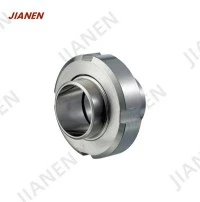
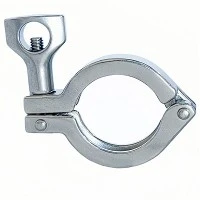
If you're in the market for sanitary clamped seals, we offer a wide range of products to meet your needs. Our seals are made from high-quality materials and are designed to provide excellent sealing performance and durability. We also offer a variety of Stainless Steel Pipe Adapters, sanitary pipes and fittings, and ss union coupling to complement our seals and provide a complete solution for your sanitary applications.
If you have any questions or need help selecting the right seal for your application, please don't hesitate to contact us. We're here to help you find the best solution for your needs and to ensure that your system operates safely and efficiently.
References
- "Elastomer Materials and Their Properties." Handbook of Seal Technology, edited by John H. Bickford, CRC Press, 2013.
- "Temperature Resistance of Elastomers." Rubber World, vol. 230, no. 3, 2004, pp. 28-33.
- "Sanitary Sealing Solutions for the Food and Beverage Industry." Food Engineering, vol. 85, no. 6, 2013, pp. 42-47.