


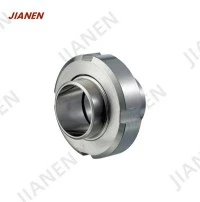


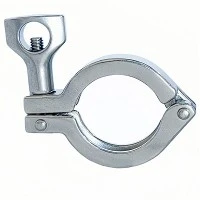
As a supplier of Bevel Seat Ferrules, I've witnessed firsthand the critical role these components play in various industries. Bevel seat ferrules are essential for creating reliable and leak - tight connections in piping systems. However, their performance can be influenced by a multitude of factors. In this blog, I'll delve into the key elements that affect the performance of a bevel seat ferrule.
Material Quality
The material used in the manufacturing of a bevel seat ferrule is of utmost importance. High - quality materials ensure durability, corrosion resistance, and proper sealing. Stainless steel is a popular choice for bevel seat ferrules due to its excellent corrosion resistance properties. For instance, SS 304 is a common grade used in many applications. The ss 304 reducer is often made from similar stainless - steel materials, which gives an idea of the reliability and performance associated with stainless - steel components in piping systems.
The purity of the material and its chemical composition can significantly impact the ferrule's performance. Impurities in the metal can lead to weak spots, reducing the ferrule's ability to withstand pressure and resist corrosion. Additionally, the material's hardness and ductility need to be balanced. A ferrule that is too hard may crack during installation, while one that is too soft may deform excessively and fail to create a proper seal.
Manufacturing Precision
Precision in manufacturing is another crucial factor. The dimensions of the bevel seat ferrule must be within tight tolerances. Any deviation from the specified dimensions can lead to improper seating and sealing. For example, if the bevel angle is not accurate, the ferrule may not mate correctly with the corresponding fitting, resulting in leaks.
The surface finish of the ferrule also matters. A smooth surface finish reduces friction during installation and helps to create a better seal. Rough surfaces can cause damage to the mating parts and may also trap debris, which can compromise the sealing integrity. Advanced manufacturing techniques, such as CNC machining, are often employed to ensure high - precision production of bevel seat ferrules. This is similar to the manufacturing process of Stainless Steel Long Ferrule, where precision is key to achieving optimal performance.
Installation Conditions
The way a bevel seat ferrule is installed can make or break its performance. Improper installation is one of the leading causes of ferrule failure. First, the installation torque is critical. If the torque is too low, the ferrule may not be compressed enough to create a proper seal. On the other hand, excessive torque can over - compress the ferrule, causing it to deform or crack.
The cleanliness of the installation environment is also important. Any dirt, dust, or debris present on the ferrule or the mating parts can prevent a proper seal. It is essential to clean all components thoroughly before installation. Additionally, the use of appropriate lubricants can facilitate installation and improve the sealing performance. However, the type of lubricant must be compatible with the materials involved to avoid any chemical reactions that could damage the ferrule.


Operating Environment
The operating environment in which the bevel seat ferrule is used has a significant impact on its performance. Temperature variations can cause the ferrule and the mating parts to expand or contract. If the materials have different coefficients of thermal expansion, this can lead to stress on the ferrule and potentially cause leaks. For example, in high - temperature applications, the ferrule may need to be made from a material with a high melting point and good thermal stability.
Pressure is another environmental factor. The ferrule must be able to withstand the operating pressure without deforming or failing. High - pressure applications require ferrules that are designed to handle the specific pressure requirements. Corrosive environments, such as those found in chemical processing plants or offshore oil rigs, demand ferrules made from highly corrosion - resistant materials.
Compatibility with Mating Parts
The bevel seat ferrule must be compatible with the mating parts in the piping system. This includes the type of fitting, the material of the fitting, and the sealing surface. Different types of fittings, such as compression fittings or welded fittings, may require specific types of ferrules.
The material compatibility between the ferrule and the mating fitting is also crucial. If the materials are not compatible, galvanic corrosion may occur. Galvanic corrosion happens when two different metals are in contact in the presence of an electrolyte, and it can rapidly deteriorate the ferrule and the fitting, leading to leaks and system failure.
Maintenance and Inspection
Regular maintenance and inspection are essential for ensuring the long - term performance of bevel seat ferrules. Over time, the ferrule may experience wear and tear due to normal use, vibration, or environmental factors. Inspecting the ferrule for signs of damage, such as cracks, deformations, or corrosion, can help detect potential problems early.
If any issues are found during inspection, timely maintenance or replacement of the ferrule is necessary. This is similar to the approach taken with other components in a piping system, such as the Sanitary Polished Clamped Elbow Competitive Price, where regular checks and maintenance are carried out to ensure optimal performance.
Conclusion
In conclusion, the performance of a bevel seat ferrule is affected by multiple factors, including material quality, manufacturing precision, installation conditions, operating environment, compatibility with mating parts, and maintenance. As a supplier of bevel seat ferrules, we understand the importance of these factors and strive to provide high - quality products that meet the strictest standards.
If you are in need of reliable bevel seat ferrules for your piping system, we are here to assist you. Our team of experts can help you select the right ferrule based on your specific requirements and provide guidance on installation and maintenance. Contact us to start a procurement discussion and ensure the optimal performance of your piping system.
References
- ASME B31.3 Process Piping Code
- API Standards for Piping Components
- Industry - specific guidelines for piping system design and maintenance